






































Even during a RAMpocalypse, Sony and Microsoft come across as less consumer-friendly than some PC brands with their refusal to give US tariff refunds back to consumers

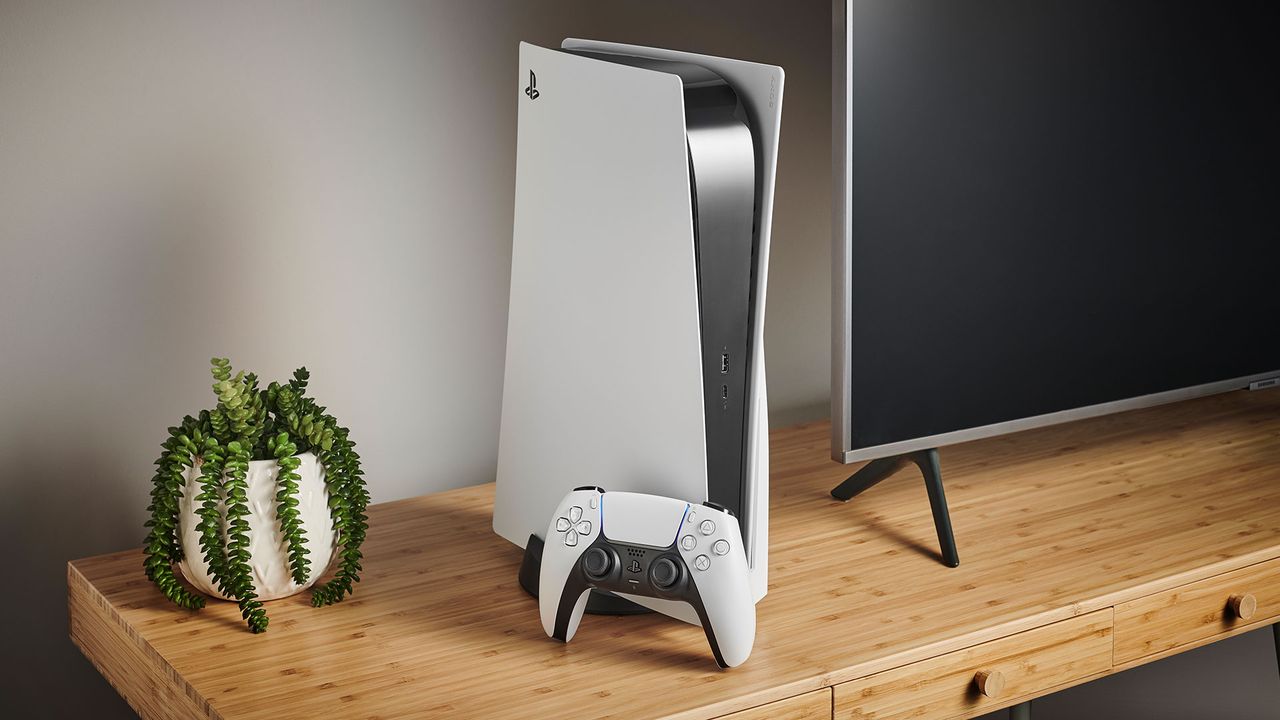
No consumer technology market is pleasant right now, but somehow, even during a RAMpocalypse, Sony and Microsoft are managing to make console gaming look like the worse of two evils. Both brands have filed motions to dismiss class action lawsuits that charge them with not passing on tariff refunds to their consumers, even while a few gaming PC brands are managing to make the consumer-friendly decision in the opposite direction.
In case you're not up to speed, last year, US tariffs were brought into play by President Trump that had massive knock-on effects for consumers. As import and tax rates changed on products produced outside of the US, some brands were forced to increase their prices. This impacted plenty of technology companies, but led to price hikes on the PS5, Nintendo Switch, and Xbox Series X.
Now, the US Supreme Court has deemed these tariffs illegal, resulting in refund payments being made to impacted businesses. That means that Sony and Microsoft are being paid back damages for the extra money they had to pay the US government for operation in its markets at the time - in fact, back in July, Sony told its investors that it expected to receive $508 million in refunds. In theory, this is money that should be passed on to the consumers who stomached the extra costs, not pocketed by the businesses who changed their prices to still ensure profits came in.
Lawsuits were filed against Sony and Microsoft that accuse them of hiking prices solely due to US-imposed tariffs and argue that consumers are now entitled to refunds, but both companies' legal teams have countered by requesting that a judge dismiss the suits, shunning any legal responsibility. 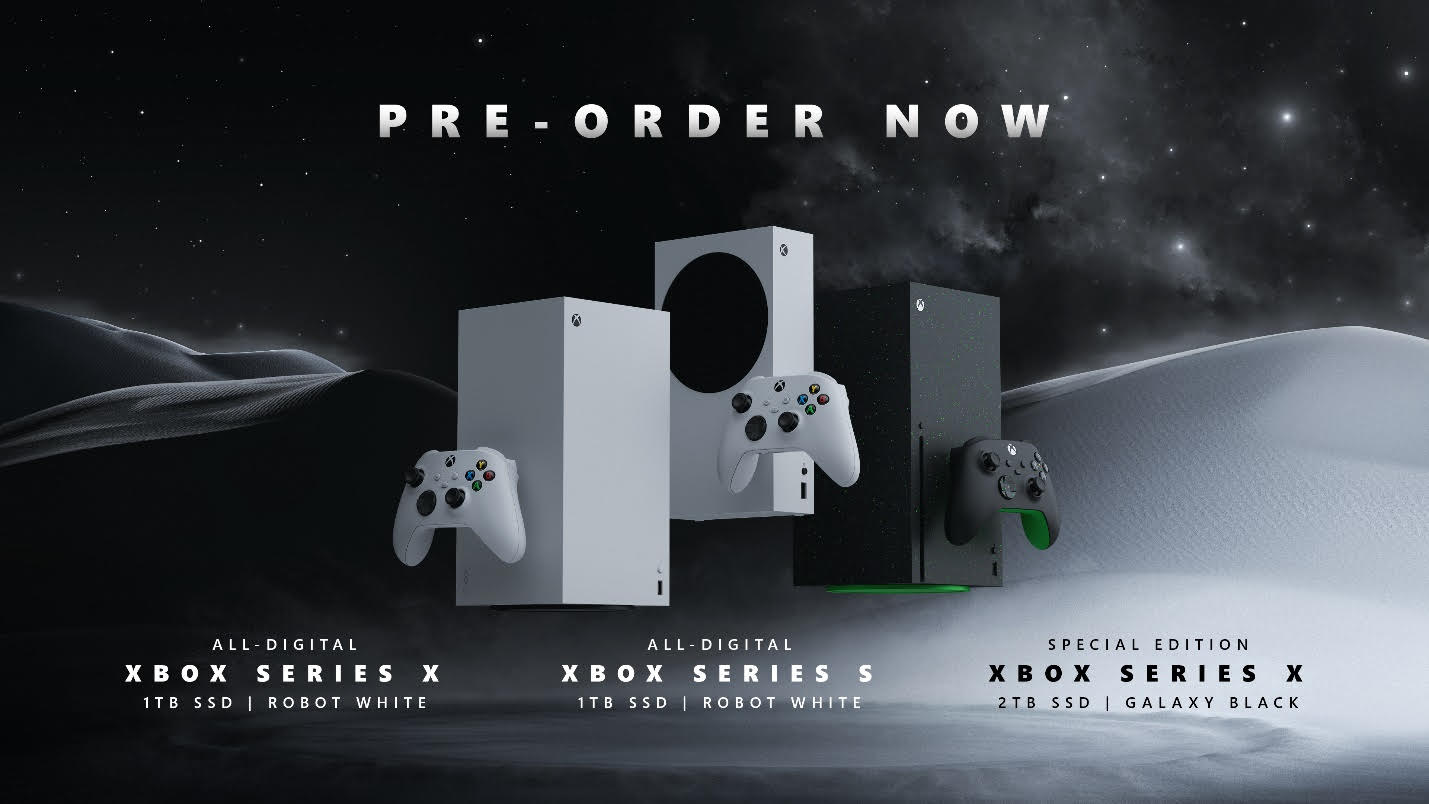
"There is nothing unjust about Plaintiff purchasing an Xbox at an advertised price and getting exactly what he paid for—regardless of whatever theory he devised months later about Microsoft’s cost structure," said Microsoft's legal team in their request for dismissal, according to Game File.
Similarly, Sony's legal team reportedly said: "Paying fair market price for voluntarily purchased consumer goods is not a legally cognizable injury in fact."
Pleading Sony's innocence and pointing blame at inflation, component costs, and demand, the letter also read, "If tariffs were the cause of the price increases, one would expect SIE to lower prices once the tariffs were eliminated – not raise them again.
"Instead, the timeline confirms that PlayStation console pricing includes a diverse and dynamic set of input costs," the letter reads in GamesIndustry.Biz.
Meanwhile, a little less than a month ago, PC building brand Arctic announced it would be passing on its US Tariff refunds onto its consumers through a US promotional sale of its goods:
"As a consumer myself, I feel your pain," said Arctic's CEO, Magnus Huber. "We're passing it on to you by offering a dedicated sales promotion across the US... it will remain active until every single dollar ARCTIC received from the tariff refund has been paid back to our customers."
This was a surprising move, particularly in a gaming PC economy that's absolutely rancid thanks to AI-induced inflation that's still impacting tech manufacturing, arguably more than US tariffs were. 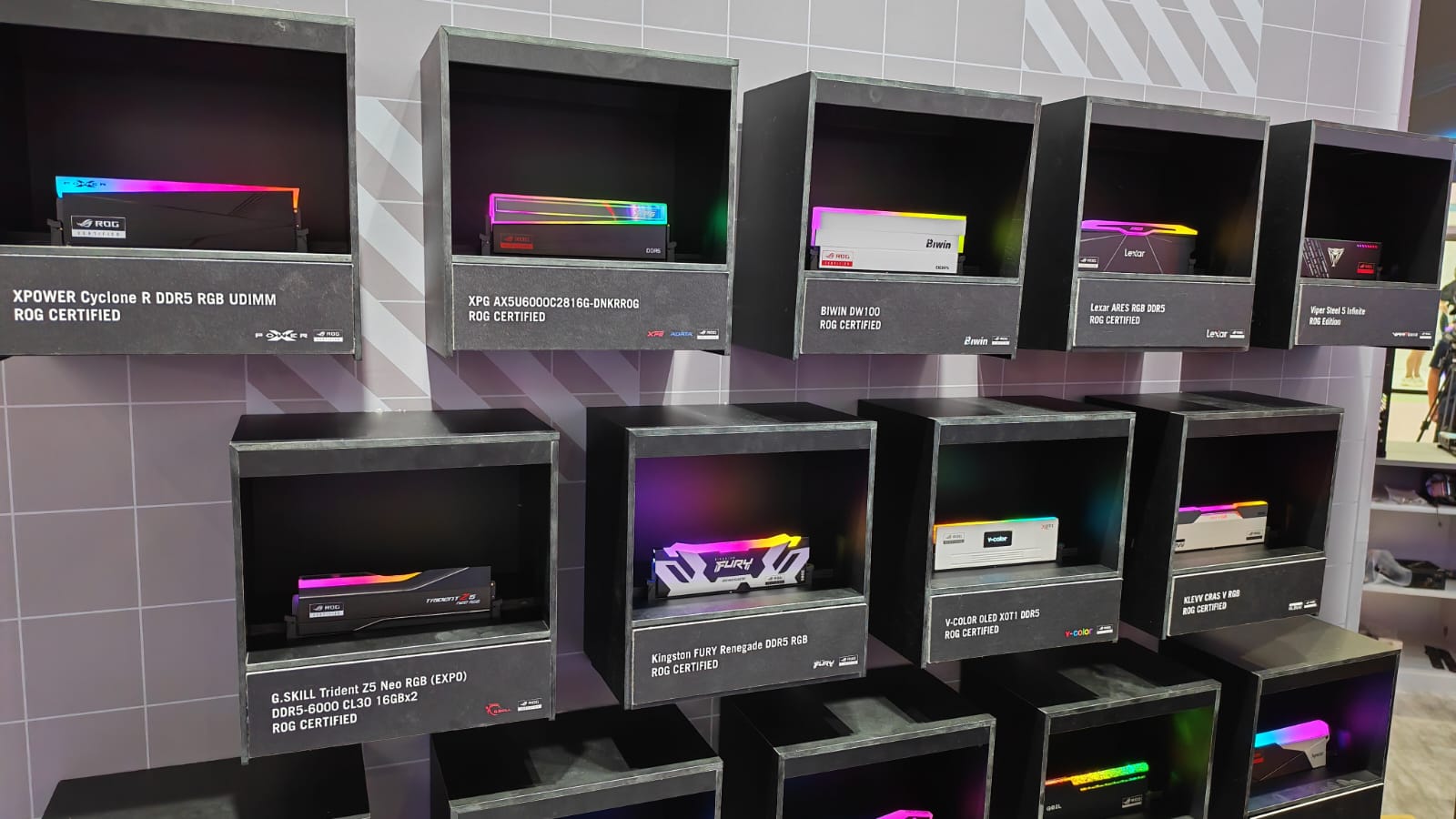
Similarly, Panic, the maker of the Playdate handhelds, is also directly refunding customers who paid extra during the US-tariff period. Granted, this pro-consumer response is rare and not echoed by many other tech brands, but as industry leaders, it reflects badly on Sony and Microsoft to make less effort than smaller brands working to help their customers.
I'm not going to sit here and say that PC gaming is more affordable, but I think any ruse that Sony and Microsoft have managed to get across through the years that console gaming is somehow more consumer-friendly is dead and gone. In the last few months alone, Sony has announced the end of its support for physical media, has insinuated that anyone who doesn't understand digital licensing is an "unreasonable consumer", and has reiterated its terms and conditions through an email to PlayStation account holders that reminds them of their lack of digital ownership.
Yes, Sony, "for the players" indeed.
PC gamers should also take a look at the best graphics cards, the best RAM for gaming, and the best computer speakers.
What's Your Reaction?
 Like
0
Like
0
 Dislike
0
Dislike
0
 Love
0
Love
0
 Funny
0
Funny
0
 Angry
0
Angry
0
 Sad
0
Sad
0
 Wow
0
Wow
0