








































The media will become terminally addicted to gambling


Gambling devoured sports media, and it only took about ten years. It seems clear that something similar is under way with politics coverage, too, with the rise of prediction markets. And I think this time it goes faster.
A narrow and true story about prediction markets as they relate to our understanding of politics is that they really do reveal a new and useful sort of information. The maximalist pitch, as recently made by one of Kalshi’s founders, is to “financialize everything and create a tradable asset out of any difference in opinion.” You don’t want to place too much stock in self-consciously shocking claims by young founders riding up a growth curve — that’s part of the job — but for a while, at least, they really do have a lot of momentum, and political media is unusually vulnerable to prediction markets’ appeal.
Prediction markets produce something that can be covered like polls, except on an even wider range of subjects and with the seductive possibility of active, profitable participation. More bluntly, for our purposes, they produce a lot of rapidly changing numbers, which is perhaps the minimum viable definition of news: Of the early media partnerships with these things, the cable news deals make the most sense, or are at least the easiest to visualize. Sure, you can imagine Harry Enten incorporating Kalshi odds into discussions about election polling, but is it much harder to picture little ratios popping up at the bottom of the screen every time they manifest another major news event countdown, or a panel of pundits bouncing off the Kalshi bets about how long Donald Trump will shake someone’s hand? Likewise for CNBC, which is already a pretty refined speculation-as-entertainment product, but which is about to add a bunch of compelling (and inviting!) new numbers to the on-screen soup.
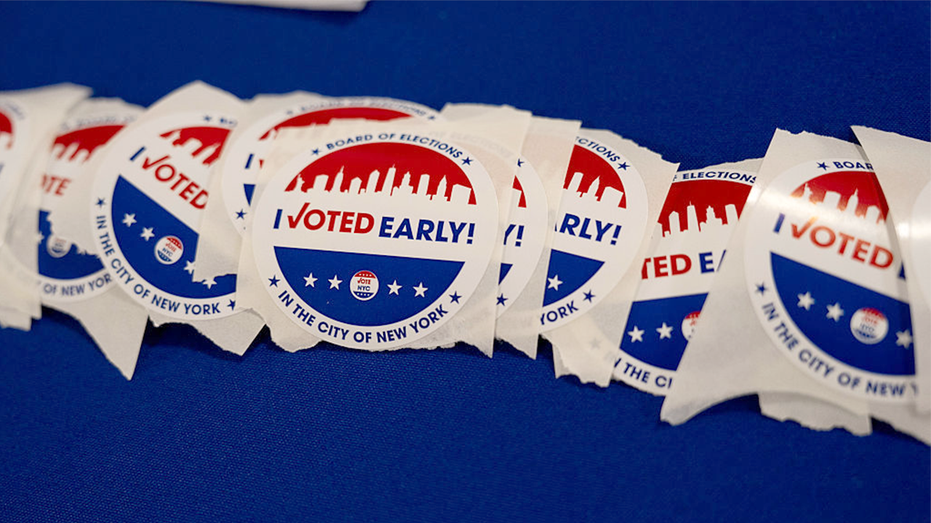
It’s interesting — I’ll stop short of saying fun — to think about how far all this might go, and what that comprehensively “financialized” information environment would be like to live in. I don’t think that you need to move very far in that direction before widespread participation in prediction markets starts to meaningfully influence how people engage with the democratic process. To make that more specific, in the spirit of this package: If enough people see their responsibility during an election as guessing who’ll win, it seems reasonable to expect that they’ll start to vote differently, as will a public increasingly convinced of and/or confused about the value of aggregated prediction. And to put a human face on it: Have you spent much time talking politics with young traders? Or consuming their favorite sources of news? Or even just eavesdropping on their bubble on X? Living and working in service and fear of prediction does some specific and fascinating things to your view of the world! (And that’s not even getting into the insider-ish trading-ish possibilities, which I suppose a prediction market true believer would tell you are an information-revealing feature, not a bug.)
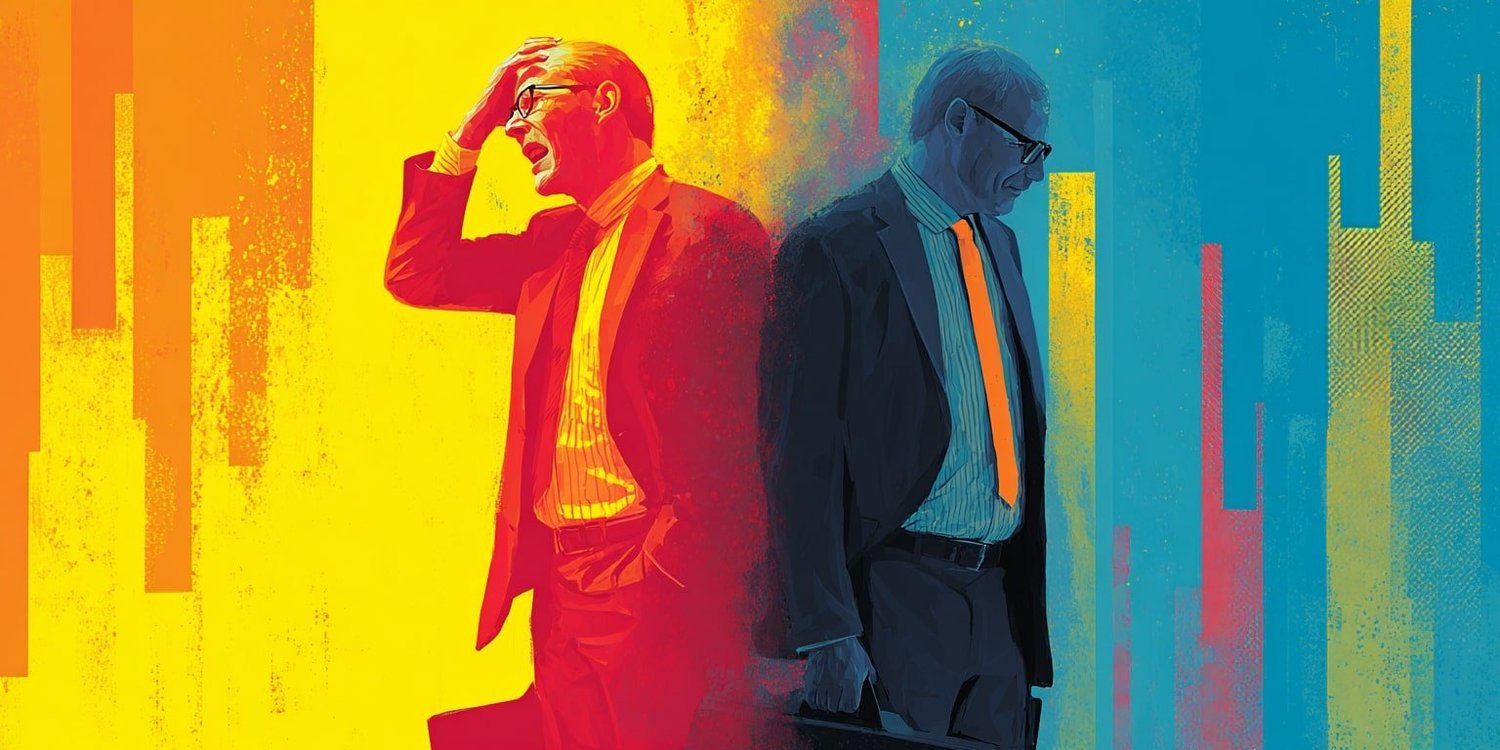
But the range of general outcomes with this stuff is still wide, and far more obvious to me is the eagerness with which political media will embrace prediction markets as both a source of information and as a meta-object for coverage. This will be in part because prediction markets are obviously useful, and in part because audiences will be doing this on their own, but also, I think, it will be influenced by a grimy, scraping sense of necessity (there’s potentially money here, not much else is working, and existing media business models, excluding subscription, are nothing to be precious about) supercharged by late-industry self-loathing. Prediction markets pitch themselves as a corrective for the media and a replacement for punditry, toward which their proponents usefully and I think honestly perform contempt — hating the media is good marketing, making fun of the media is good politics, and trying to replace it is good business. (Kalshi and Polymarket are both getting into media in their own ways, beyond just partnerships.) But I’m not sure anyone, including blackpilled MAGA-curious founders, has less respect for the profession than political media executives and our most sociopathic pundits, who’ll be happier than anyone to have an additional layer of game-like abstraction between their brains and the processes that determine, for example, who lives and dies in America.
John Herrman is a tech reporter and columnist at New York Magazine.
What's Your Reaction?
 Like
0
Like
0
 Dislike
0
Dislike
0
 Love
0
Love
0
 Funny
0
Funny
0
 Angry
0
Angry
0
 Sad
0
Sad
0
 Wow
0
Wow
0