


























The fence is down


This year, more than 165 journalists were assaulted in the United States. That’s more than the last two years combined. Only 10 of those assaults were not by law enforcement, and a staggering 88% came while journalists reported from protests related to the Trump administration’s immigration policies.
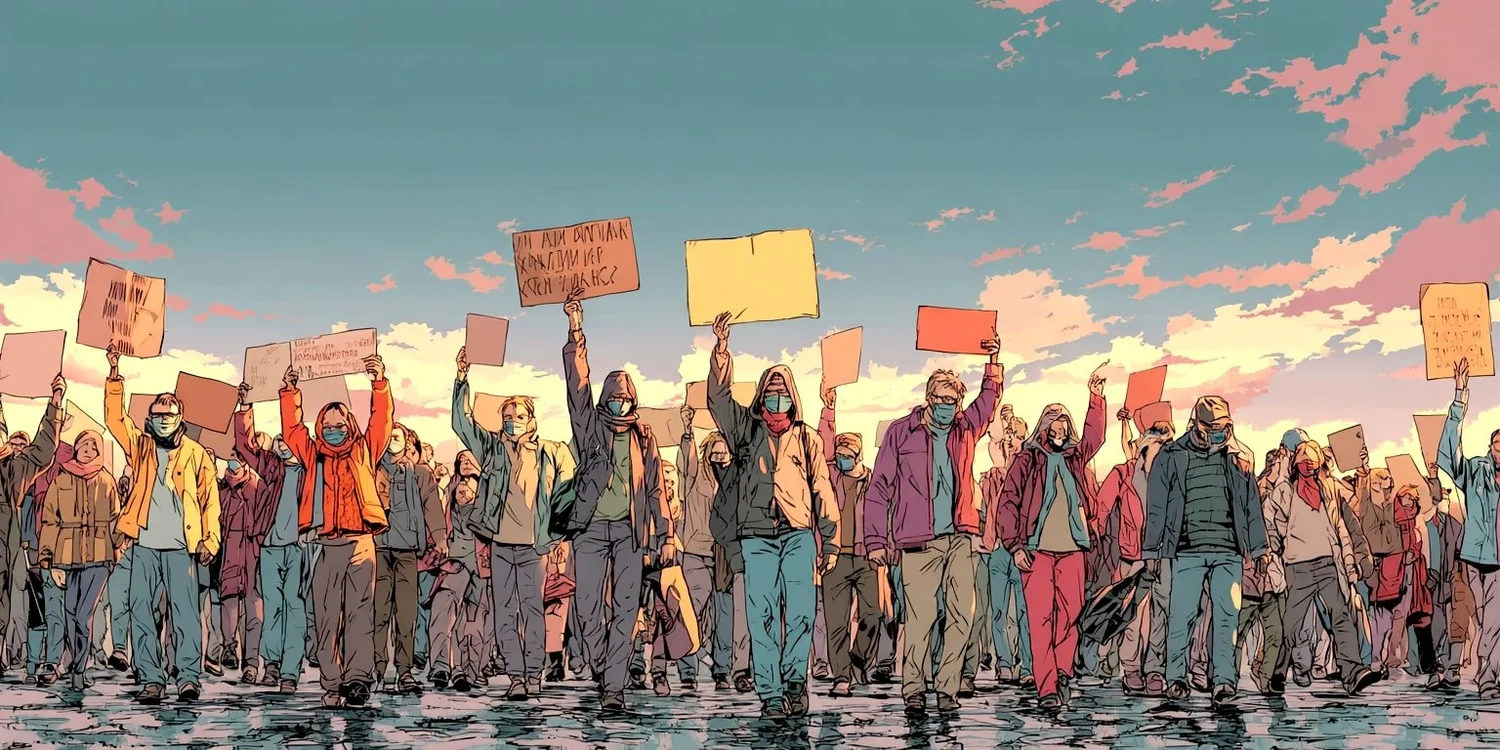
The Trump administration also persists with its multifaceted assault on the media — restricting access, cutting federal funding, launching investigations into journalists, and aggressively targeting leakers. That’s in addition to the pervasive tactics being used by law enforcement targeting journalists covering protests. Of the 32 arrests or detainments of journalists in 2025, 28 occurred while they were covering protests.
As managing editor of the U.S. Press Freedom Tracker, a nonpartisan news database documenting press freedom aggressions across the U.S., attacks on journalists and the act of journalism this year have been swift and ubiquitous. There’s no reason to think anything will change in the year ahead, except how we respond to these attacks.
At the end of 2023, I wrote in these pages an analogy of how the velociraptors in “Jurassic Park” systematically tested the electric fences in the park’s enclosure for weaknesses and how, across the United States, we had seen government officials doing the same testing for weaknesses in the First Amendment’s press protection clause.
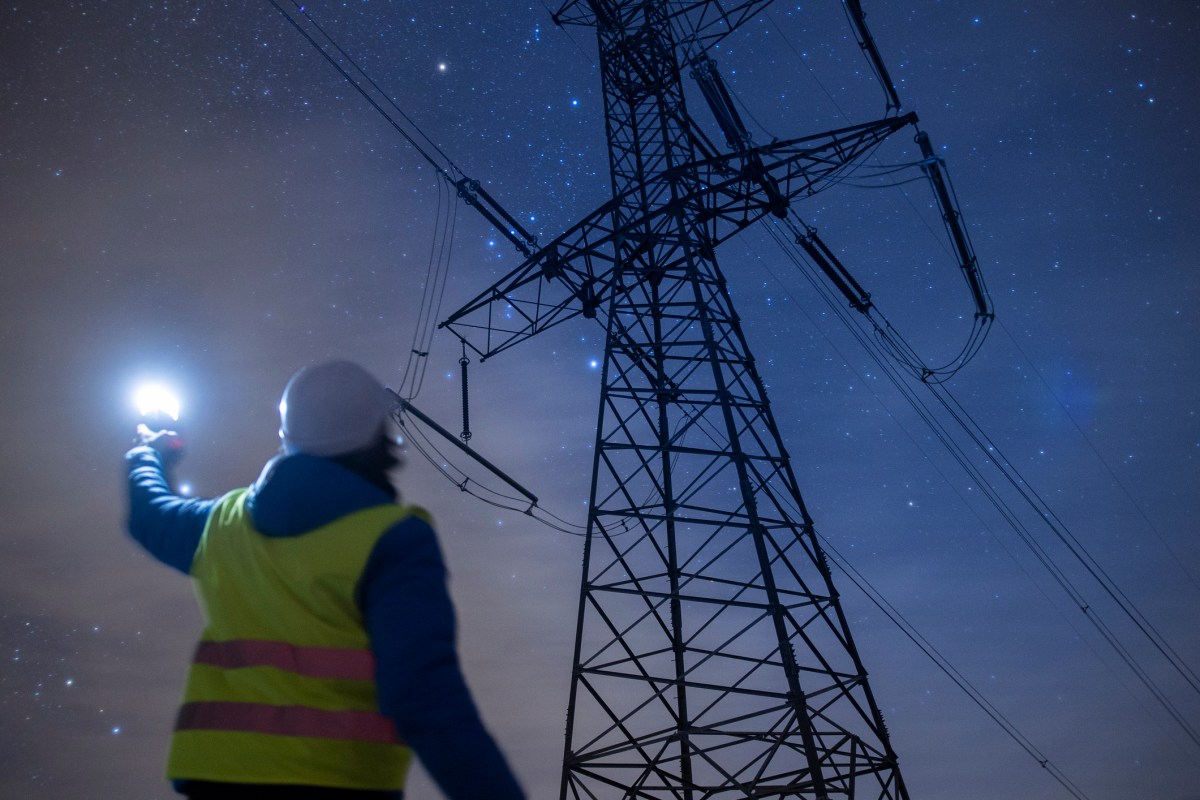
I declined to write a prediction at the end of 2024; as voters, we had collectively elected to turn off the park’s safety grid, and I felt I had nothing constructive to say. Now, at the end of 2025, I’ll carry the Jurassic World theme forward one more time because the franchise insisted on “Jurassic World Rebirth”: The electric fence safeguarding our free press is down, and, as predicted, the velociraptors came. Newsgathering has been thwarted at nearly every turn, and criminalized.
Earlier this year I interviewed exiled Russian journalist Mikhail Rubin, who offered a strong parallel from his experience under Russian President Vladimir Putin to what U.S. journalists were beginning to face under a second Trump administration outwardly hostile to journalists. “I live with that we didn’t struggle enough,” he said of the Kremlin’s early crackdown on independent journalism.
In 2026, we’ll systematically work together to curtail the velociraptors, leaning on courts and collective action, and hopefully learning from the Russian journalists and other journalists in authoritarian regimes by pushing back smarter and harder. It’s not too late, but it’s definitely time to act.
Kirstin McCudden is managing editor of the U.S. Press Freedom Tracker, a project of Freedom of the Press Foundation.
What's Your Reaction?
 Like
0
Like
0
 Dislike
0
Dislike
0
 Love
0
Love
0
 Funny
0
Funny
0
 Angry
0
Angry
0
 Sad
0
Sad
0
 Wow
0
Wow
0