







































Meta's VR glasses launch next Spring for $1,299 and address nobody's smart glasses privacy concerns


Meta Connect's keynote for 2026 is in the can, and although some people might have been hoping for the arrival of the Meta Quest 4, the social media company is doubling down on its smart glasses and wearable AI tech instead. I wasn't expecting a new VR headset to launch after what's been a pretty dire year for Meta's Reality Labs division, and it turns out the leaked glasses-headset hybrid from last week was accurate.
The Meta VR Glasses will launch in Spring of 2027 for $1,299 (without any controllers which are available separately for additional cost), with no UK price announced yet. Their focus is on folding, portable convenience - so much so that their Snapdragon Reality Elite processor doesn't even come fixed in them; it's separate in a small battery puck that fits in your pocket and lasts up to three hours. You can plug the Glasses into any USB device and use it as a display, but it takes a far more mixed-reality, hand-tracking approach to things, which puts it much more in line with the Apple Vision Pro.
So, why the massive price tag? Well, the VR Glasses sport two Micro-OLED displays with a 5K, Infinite, Dolby Vision resolution per eye, and the device only weighs 100g (down from the 515g of the Quest 3). That said, it will only have a 70-degree horizontal FOV, down from the 110 degrees that most VR headsets feature.
The clue is in the name here, but this isn't the successor to the Quest 3 and 3S. Its price also indicates that, since the Quest headsets have always been about making this sort of technology accessible, and the price tag on these new glasses is not. Will we see a true successor to the Quest headsets? I think it depends on how well this new, more wearable approach from Meta goes. 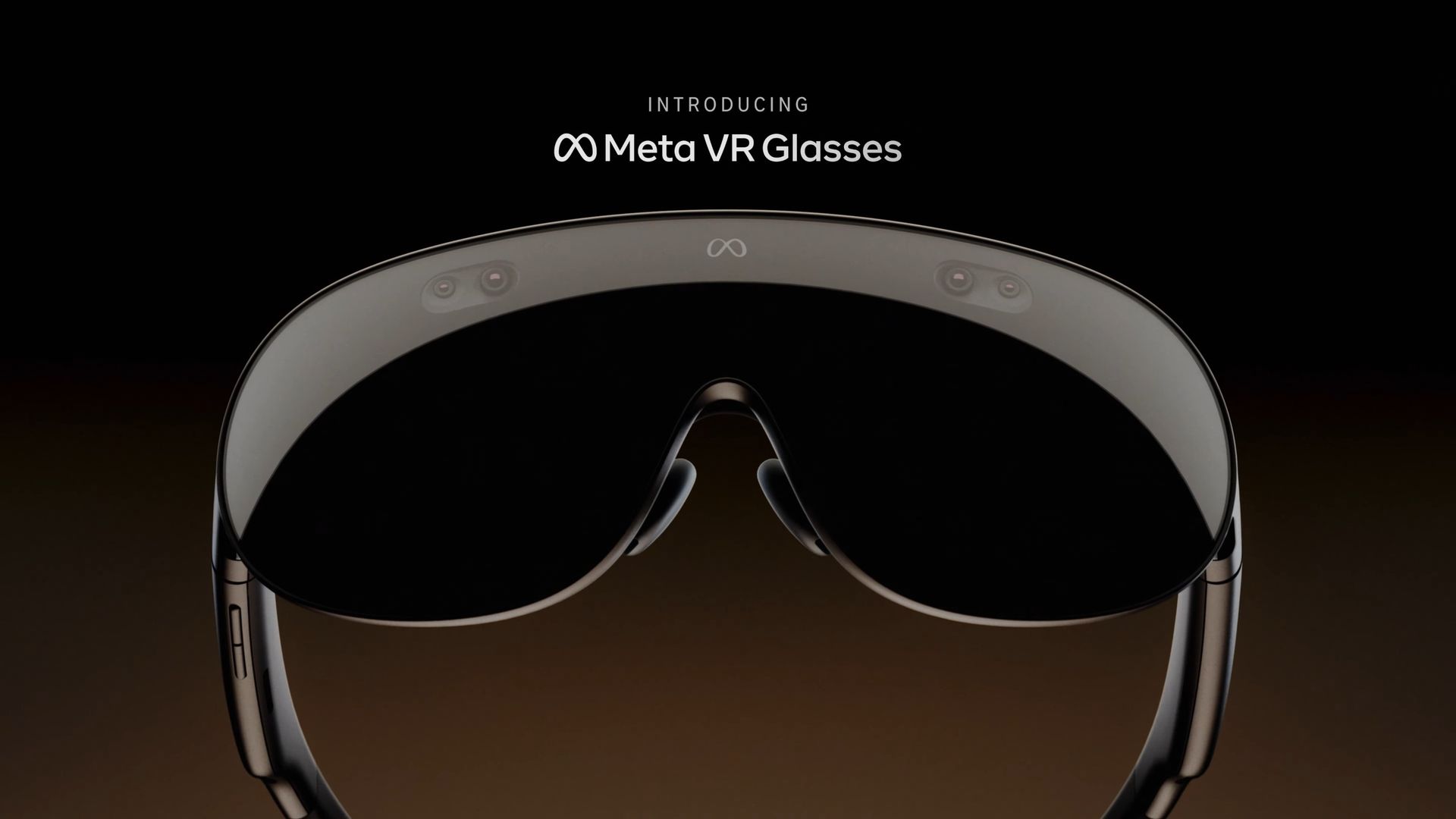
While the new VR Glasses can play any game currently on the Quest store and run all of the same mixed-reality apps, their main emphasis isn't gaming. Meta says that the Glasses will be able to play over 75 VR games at launch that have been revamped to use hand-tracking. You'll also be able to use them like a pair of XR glasses, hooking them up to a console or PC to use as a massive virtual display. Still, the focus here is clearly more on entertainment and some spatial computing thrown in.
Why do I say that? Because that form factor, FOV, and the lack of controllers do not lend themselves to gaming. There's also no gaming being done in the reveal trailer, so I'll let you be the judge of how these are intended to be used.
I don't think anyone should be surprised that the VR Glasses are taking a much more radical approach to wearability than the Quest headsets have. I've reported before on how the Quest headsets just aren't making a profit because of their approachable price tags, but the brand's Meta Ray-Ban smart glasses are. Reality Labs has seen multiple rounds of layoffs this year, and Meta's biggest gaming studios, previously known for making games that support the Quest headsets, have been shuttered. 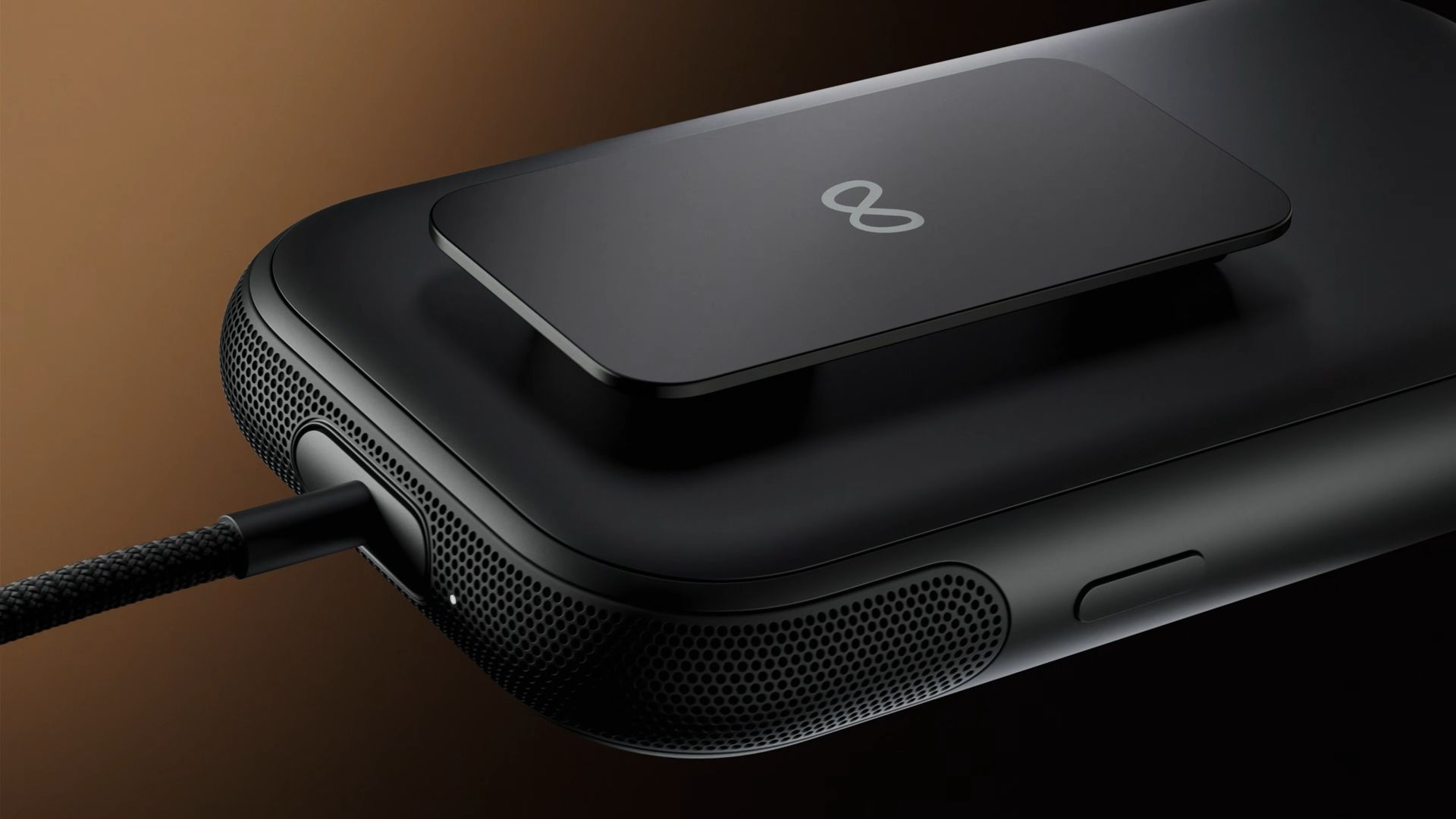
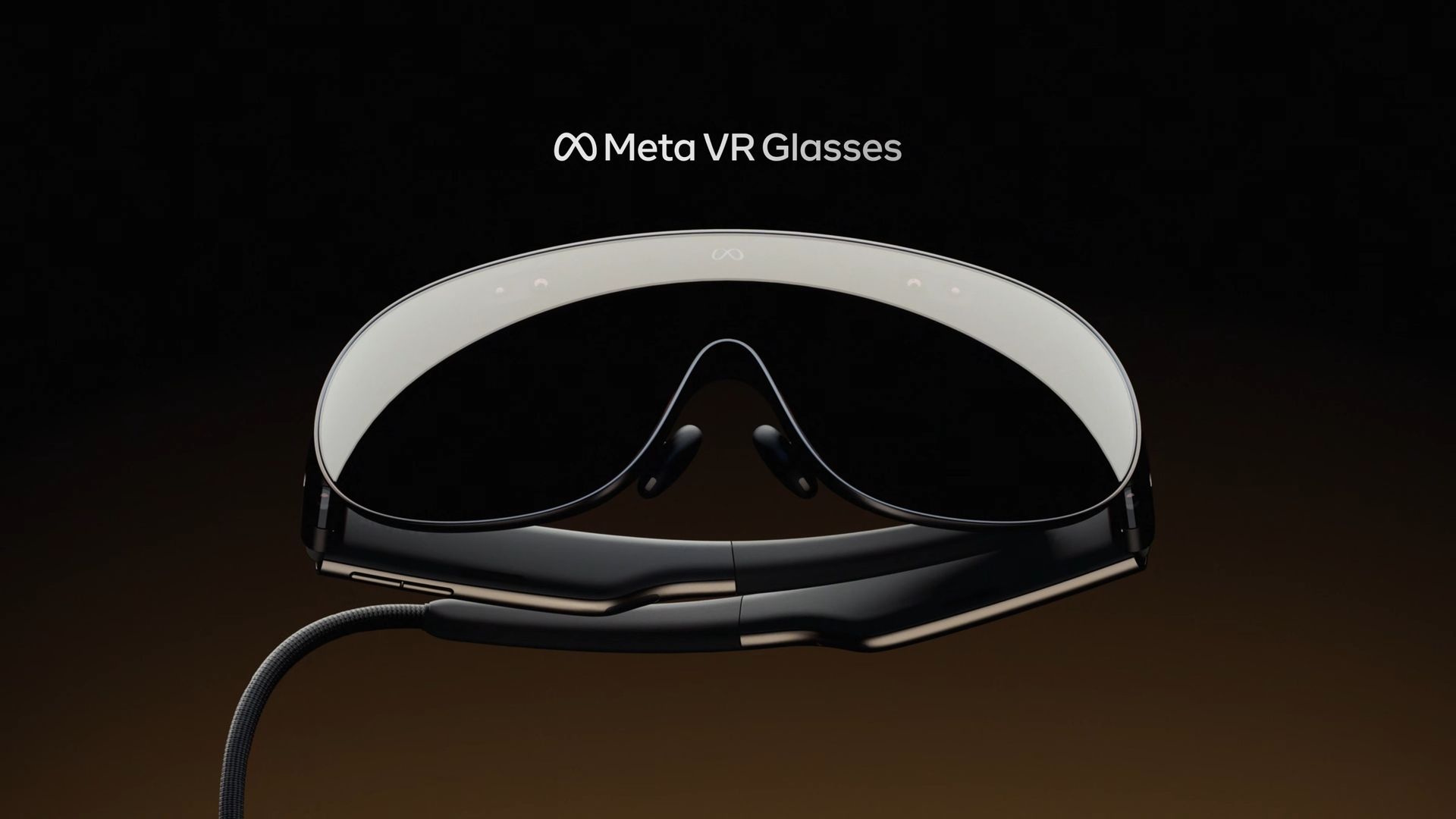
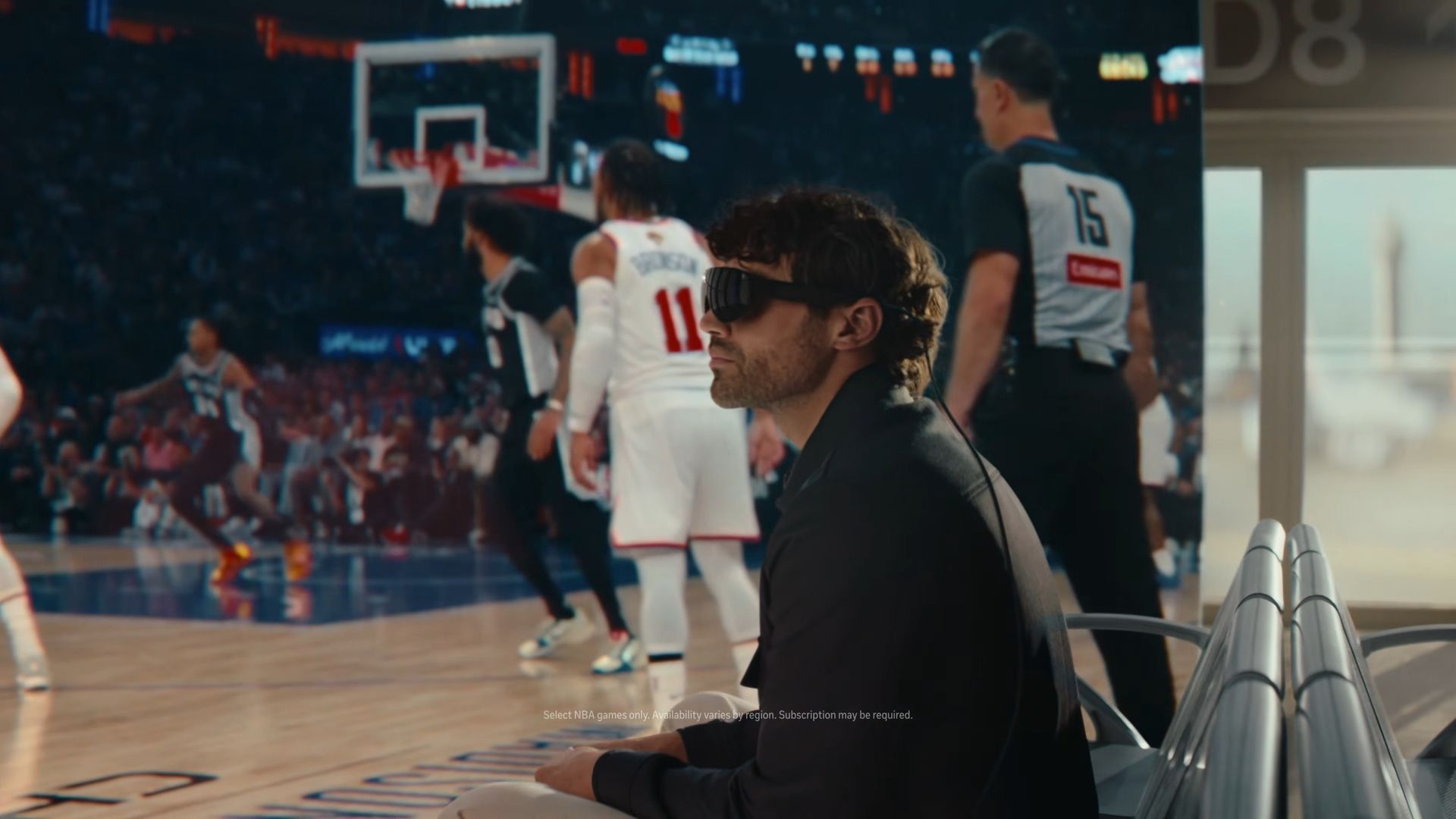
Despite the company's CTO saying Meta isn't done with VR, I think the writing might be on the wall as to how its future in VR looks - and it looks like glasses over headsets.
Of course, more wearable devices, like Meta's smart glasses, aren't free of issues either. Even if they're proving popular, privacy concerns are a frequent thorn in their side, and for good reason. While the company doubles down on them with a new generation that includes "Muse", the brand's agentic AI, I worry that there has been little to nothing done to stem those privacy issues for the new generation. 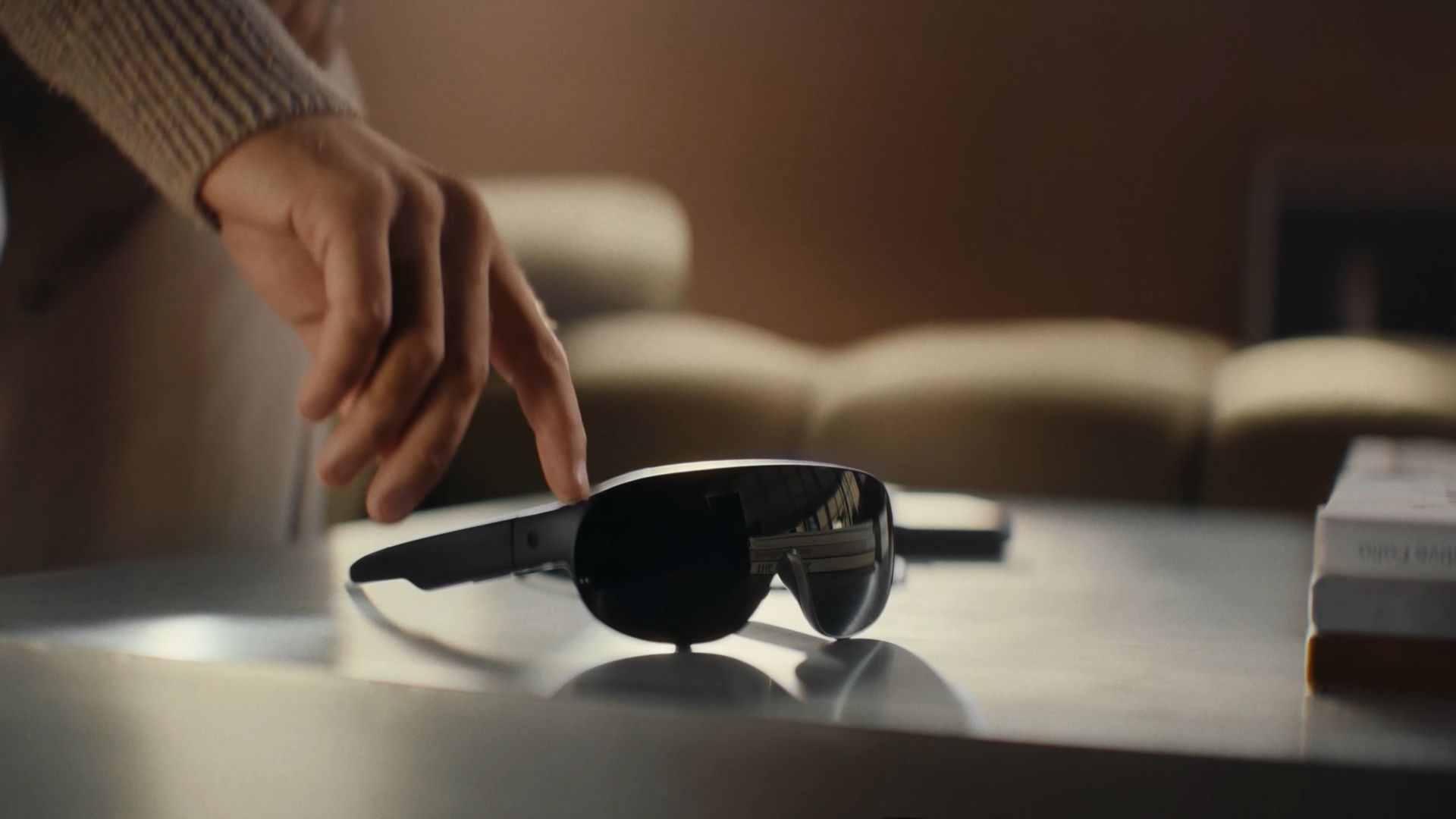
Yes, the VR Glasses are a bit more obviously seen at a glance, but a further push toward wearable AI means more and more covert video capture and potential misuse.
A few weeks ago, Meta issued an update that bricked its smart glasses' integrated cameras if you had disabled their recording light - a response to thousands of users who had done this. But even with that recording light, privacy concerns are still valid when the integrated AI can access the camera without that recording light, and personally, I think that's just as big a concern. 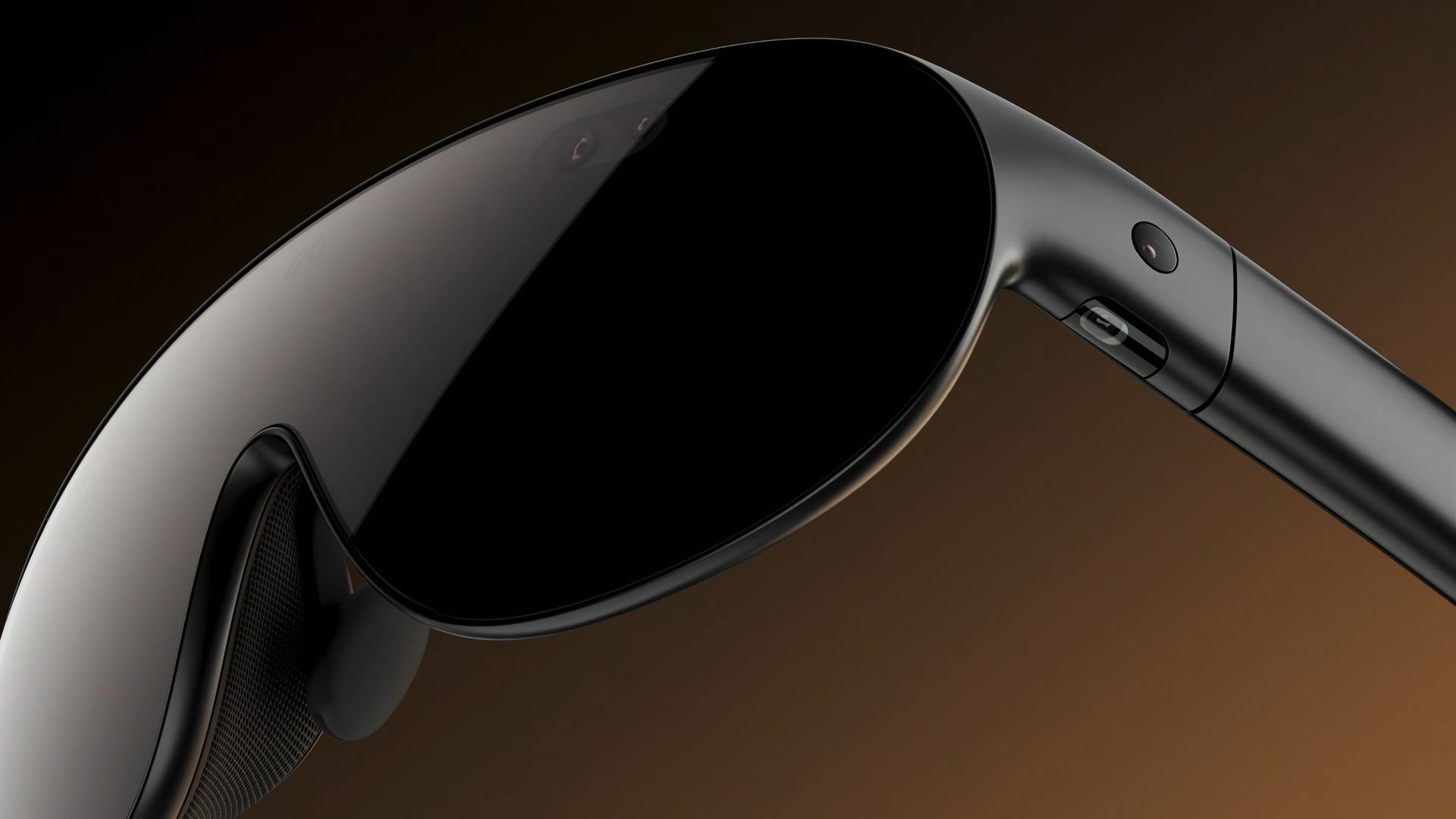
We've seen what Meta can do with its data hoarding in the past; we've seen questionable links to China that have surfaced, with Mark Zuckerberg being questioned during a US Senate committee hearing, and the BBC reported that the CEO was "hand-in-glove" with the CCP. I fear these privacy issues will only grow as the brand continues to push toward its more wearable VR Glasses.
If I were a gamer shopping around today, I'd focus my spending elsewhere for a proper VR headset that puts more of a focus on gaming. The Steam Frame has just arrived, PSVR 2 is a viable option, and PC gamers have an alternative (if they can afford it) in the Pimax Dream Air.
You can also stick to flat-screen gaming thanks to the best gaming PCs, the best gaming laptops, and the best retro handhelds.
What's Your Reaction?
 Like
0
Like
0
 Dislike
0
Dislike
0
 Love
0
Love
0
 Funny
0
Funny
0
 Angry
0
Angry
0
 Sad
0
Sad
0
 Wow
0
Wow
0