




























Attention economy bears get vindicated


Anti-media ideologues like Elon Musk love to deploy disempowering language like “you are the media now” to assist in their long-term project of eroding the media’s institutional authority.
But thinking about the media that broke through in 2025, it really was the weird and non-traditional stuff that triumphed, from the work of Lane Kiffin obsessive Ben Garrett to white nationalist Nick Fuentes lamenting the “low IQ antisemitism” of podcaster Candace Owens, thus kicking off his “generational run.”
Or maybe a better way of putting it is that it’s the weird and sometimes traditional that works because on any given day my media diet can include lots of traditional stuff, like Joe Weisenthal and Tracy Alloway talking about credit card interest rates, or Jason Blum reflecting on why M3GAN 2.0 flopped. But while these media products come from decidedly institutional places like Bloomberg and Puck/The Ringer, respectively, it’s hard to imagine them thriving outside of the weird media context of the mid-2020s.
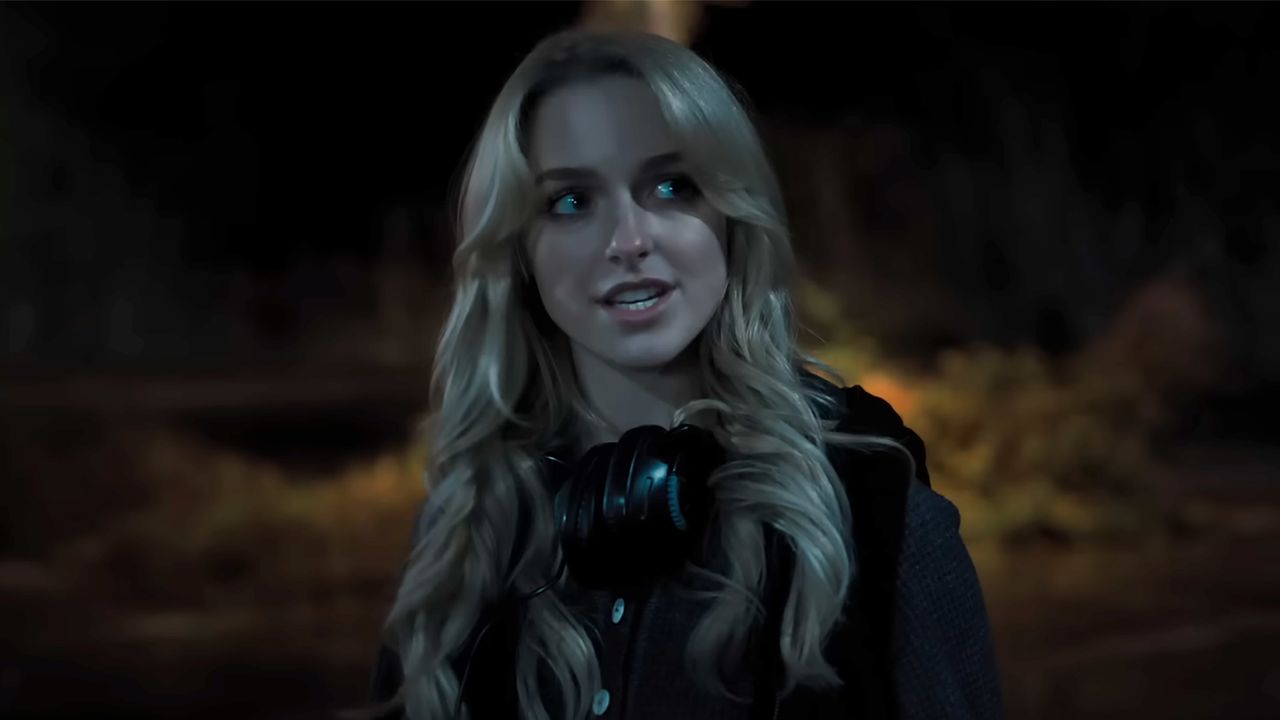
Still, the big mistake of 2025 — and 2026 and beyond will prove this — is thinking that the chaotic, fractured media environment means that reporters, actors, anyone who works in the media/culture industry should strive to gain a foothold in the “attention economy.” The problem is, you don’t have to be as bad at attention seeking as, say, Maine Governor Janet Mills to fail to make a mark. The most telling media moments of 2025 portend an end to the attention economy — or at least, deriving easy, predictable benefits from it — even for those seemingly skilled in its ways. Sydney Sweeney and Jennifer Lawrence went full attention economy all fall only to have their projects bomb. Or: the night before her pub day in early December, Olivia Nuzzi’s book was stuck at #18,128 on Amazon despite weeks of attention in The New York Times, tabloids like the New York Post and the endless spurned ex Substacking of Ryan Lizza. And then pub day itself, with the Times describing Nuzzi’s memoir as landing with “a soft, disappointing thud.”
But perhaps this is good news, particularly for people engaged in acts of journalism. And great journalism is (still!) everywhere. Jason Leopold on Epstein’s emails. The breakers of critical DOGE stories from Makena Kelly at Wired to Marisa Kabas at The Handbasket. Wapo’s Alex Horton and Ellen Nakashima on Pete Hegseth’s “kill them all” orders. Verite News’ Richard Webster on shoddy forensics in an extremely questionable capital case, which helped lead to the defendant’s release from Louisiana death row at the end of the year. The attention economy, by contrast, is unpredictable, fleeting, high risk/low reward and will likely become even more so in an era of Google Zero and constantly shifting platforms. Just do good work instead.
Ethan Brown is senior editor for collaborations at Deep South Today.
What's Your Reaction?
 Like
0
Like
0
 Dislike
0
Dislike
0
 Love
0
Love
0
 Funny
0
Funny
0
 Angry
0
Angry
0
 Sad
0
Sad
0
 Wow
0
Wow
0